
A major tax restriction is now shaping fiscal decisions across Texas. More than 130 cities have been stopped from increasing property taxes after state officials found gaps in audit compliance and transparency rules.
The move connects directly to a new state law designed to tighten oversight on local tax decisions and enforce stricter financial reporting standards across municipalities.
State Law Behind the Tax Freeze
The action stems from Texas Senate Bill 1851, passed in 2025. The law restricts cities from raising property taxes above the “no-new-revenue rate” unless they meet specific audit and transparency requirements. That rate reflects the amount needed to generate the same revenue as the prior year, without adding extra burden on property owners.
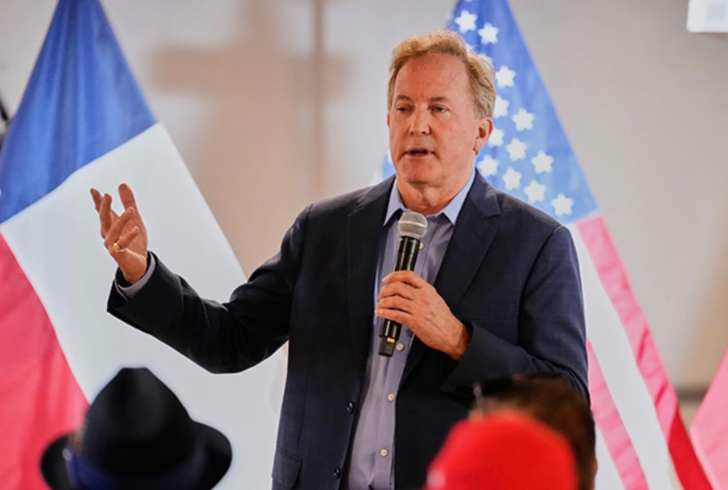
The process escalated in December 2025 when Texas Attorney General Ken Paxton announced a statewide review of more than 1,000 cities, including major hubs like Houston, Dallas, and San Antonio. By April 2026, the Attorney General’s office requested detailed financial records to confirm compliance.
On May 14, the office confirmed that over 130 cities did not meet statutory requirements for the upcoming fiscal year. As a result, these cities cannot increase property tax rates beyond the allowed baseline. Officials also clarified that the review continues and additional cities may still be evaluated.
Paxton stated:
“I will not allow cities to unlawfully raise taxes on hardworking Texans. That is why I took aggressive action against over 130 Texas cities to hold them accountable and ensure they comply with state law. Cities cannot fail to abide by state audit requirements without consequences. My office will continue to aggressively enforce Texas law to protect taxpayers across the state.”
Cities Affected Across Texas Regions
The impacted cities span multiple regions, covering both small towns and growing communities.
North Texas
Balch Springs, Blue Mound, Chico, Combine, Cross Timber, Gordon, Hillcrest Village, Howe, Keene, Pelican Bay, Southmayd, Tom Bean, Valley View, Campbell, Eustace, Wolfe City, Newcastle, Berryville, Yantis.
East Texas
Chireno, Corrigan, Elkhart, Huntington, Livingston, Mount Enterprise, New Waverly, Rusk, Shepherd, Woodloch.
Northeast Texas
Clarksville, Red Lick, Redwater.
Central Texas
Baird, Blooming Grove, Buffalo Gap, Calvert, Cameron, De Leon, Eureka, Groesbeck, Hamilton, Hearne, Jewett, Kerens, Lott, Marquez, Mexia, Rockdale, Tehuacana, Valley Mills, Miles.
Brazos Valley
Bedias, Centerville, Fairfield, Franklin, Midway.
Gulf Coast / Houston Area
Brookside Village, Clear Lake Shores, Danbury, Eagle Lake, Hempstead, Kemah, Manvel, Oyster Creek, Panorama Village, Pleak Village, Plum Grove, San Felipe, Seabrook, Surfside Beach, Texas City, Tiki Island, Weston Lakes, Wharton.
Coastal Bend
Bishop, Fulton, Gregory, Ingleside on the Bay, Port Lavaca, Taft.
Rio Grande Valley / South Texas Border
Roma, San Perlita, Weslaco, Crystal City, Natalia.
South Texas (Inland)
Kenedy, Smiley, Three Rivers, Cuero, Yoakum, Somerville, Industry.
Texas Panhandle
Dalhart, Fritch, Groom, Higgins, Miami, Stinnett, Sunray, Texline, Turkey, Howardwick.
South Plains / Llano Estacado
Hale Center, Lamesa, New Home, Farwell, Snyder.
Rolling Plains
Aspermont, Crowell, Megargel, Paducah, Quanah, Spur.
West Texas / Permian Basin & Trans-Pecos
Alpine, Balmorhea, Big Spring, Crane, Grandfalls, Kermit, McCamey, Mertzon, Sterling City, Wickett, Horizon City, San Elizario.
Concho Valley & Hill Country
Menard, Rocksprings, Briarcliff, Jonestown, Spring Branch, Wimberley.
Southeast Texas
Lumberton.
Victoria / South-Central Gulf
Victoria.
Texas Property Tax Limits and Ongoing Review
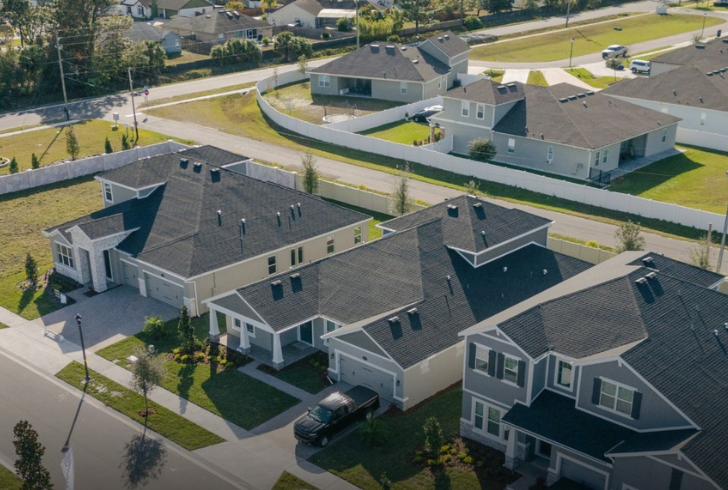
The enforcement highlights a tighter framework for how local governments manage budgets. Cities must now align financial reporting with state audit expectations before proposing any property tax increase above the baseline threshold.
Texas has placed more than 130 cities under a strict property tax limitation after compliance issues surfaced during a statewide review. The action, tied to Senate Bill 1851, reinforces audit and transparency requirements before any tax increase can move forward.
With the Attorney General’s investigation still active, additional municipalities may face similar restrictions as state officials continue examining financial records across Texas.