
Alessandra Mussolini has added another unexpected chapter to a life that has rarely been out of the spotlight. The 63-year-old former politician, actress, singer, and granddaughter of Italian dictator Benito Mussolini, has won the latest season of “Grande Fratello VIP,” Italy’s celebrity version of “Big Brother.”
Her victory came during the live finale on May 19, 2026. Viewers handed her 55.95% of the final vote, enough to beat 15 other contestants and secure the grand prize of €100,000, roughly $116,000. The result surprised some observers, but for many viewers, it was the latest example of Mussolini’s ability to remain relevant in Italian public life.
Nobody Could Ignore the Reality TV Victory

After her win, Mussolini said she “enjoyed every moment of the experience” and had “no regrets” about taking part. She also revealed that criticism motivated her. Several people reportedly advised her against joining the show, believing it could damage her reputation. Instead, she used that skepticism as fuel and turned the competition into a personal success story.
The victory marks a major achievement in a career filled with unexpected turns. While many former politicians fade from public view after leaving office, Mussolini has repeatedly found new ways to stay in the headlines.
Her win also shows the enduring power of reality television. Viewers often reward contestants who appear authentic, even when those figures arrive with controversial histories. In a season packed with celebrities, Mussolini managed to stand out from the crowd.
The Journey From Entertainment to Politics and Back Again
Long before she entered politics, Alessandra Mussolini was building a career in entertainment. She worked as an actress, model, and singer during the 1980s. One of the more unusual chapters of her early career came in Japan, where she released a city pop album that gained attention among music fans.
Those entertainment roots may have helped her navigate life inside the “Grande Fratello VIP” house. Reality television rewards people who understand cameras, public attention, and audience expectations. Mussolini arrived with decades of experience in all three.
Her political career was just as varied. Over the years, she served in both houses of the Italian Parliament and later became a member of the European Parliament. During that time, she was affiliated with several political movements across Italy’s right-wing political spectrum.
She began with the neo fascist Italian Social Movement before later joining Silvio Berlusconi’s Forza Italia. Most recently, she was associated with Matteo Salvini’s Lega party. Those political shifts reflected changing alliances within Italian politics, but they also kept her at the center of national debates.
Even after stepping away from elected office, Mussolini remained a recognizable public figure. Television appearances, interviews, and media commentary ensured that her name continued to attract attention.
The Famous Name Still Sparks Debate
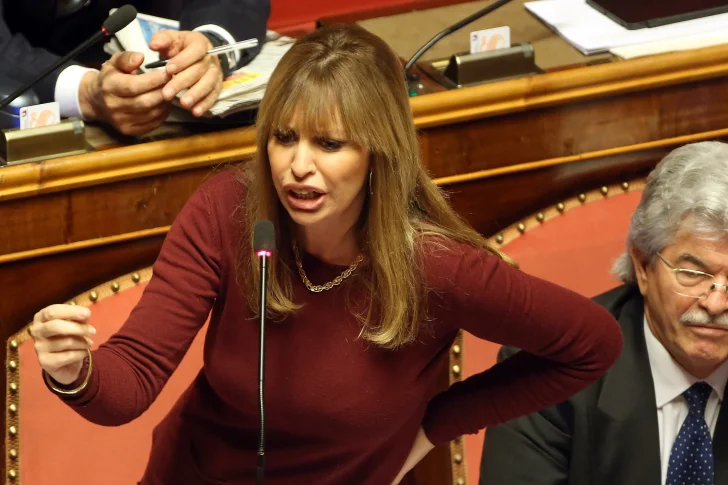
That connection has followed her throughout her career. Critics have often questioned her views on her grandfather’s legacy, especially because she has previously expressed pride in her family name and made comments defending aspects of that history. Those statements have generated criticism both inside and outside Italy.
The debate resurfaced almost immediately after her reality show victory. Some commentators viewed the result as evidence that public attitudes toward historical figures and their descendants continue to evolve. Others argued that celebrating a member of the Mussolini family on a major television program raises uncomfortable questions about how history is remembered.