
San Francisco real estate has found another gear. After years of pandemic moves, remote work debates, and questions about the city’s future, wealthy buyers are fighting over homes again. This time, artificial intelligence money is helping fuel the rush.
Newly wealthy AI workers, founders, and investors are entering a market that already has limited housing. Many have stock, private company equity, or enough cash to worry less about mortgage rates. The result is fierce competition for the city’s best homes.
More than 140 San Francisco homes sold for at least $1 million above their asking prices during the first six months of 2026, according to data. More than 140 San Francisco homes sold for at least $1 million above their asking prices during the first six months of 2026. 44 of those deals closed in June alone.
That is a striking change from recent years. Only eight homes crossed the $1 million over-asking mark during the first half of 2025. Just six did so during the same period in 2024.
AI Wealth Is Giving San Francisco Real Estate a Fresh Boom
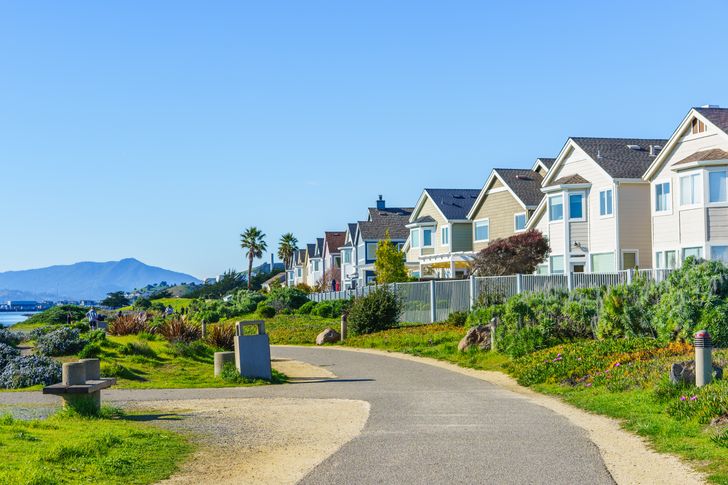
That location changes the housing equation. Earlier, Silicon Valley wealth pulled buyers toward places such as Palo Alto and other communities farther south. The current AI boom has placed more high-paying jobs directly in San Francisco, making city neighborhoods attractive to workers who want shorter commutes.
Real estate agents are seeing the effect firsthand. Some properties have drawn dozens of offers, and even multimillion-dollar cash bids are not guaranteed to win. NPR reported that one San Francisco agent had seen listings attract as many as 50 bidders.
At the extreme end, buyers offering $25 million or more in cash have still lost properties. Agents have started describing the shortage of desirable single-family luxury properties as a “mansion shortage.” The phrase sounds dramatic, but it captures a real supply problem at the top of the market.
San Francisco luxury home sales jumped 22.2% year over year during the three months ending in March 2026. The median luxury sale price reached about $6.8 million, the highest March level Redfin had recorded.
The typical luxury home went under contract in 12 days, down from 28 days one year earlier. Luxury listings were also down about 15%, adding more pressure to a market filled with buyers who can move fast.
Luxury Housing Is Pulling Away From the Rest
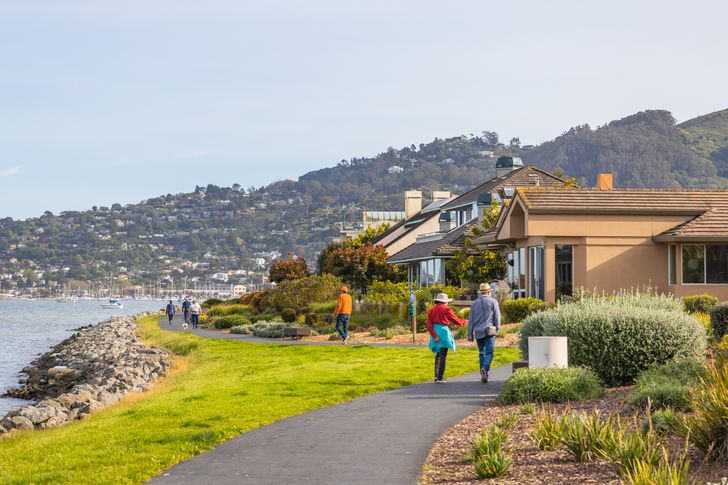
Redfin found that the median U.S. luxury home price rose 4.7% from a year earlier to $1.37 million during the three months ending May 31. Non-luxury prices increased only 1.5% over the same period.
Affluent buyers have several advantages in this market. They may have large stock portfolios, business equity, or enough cash to avoid a traditional mortgage. A high interest rate matters much less when a buyer does not need to borrow most of the purchase price.
San Francisco takes that divide to another level. Redfin reported that luxury sales were rising faster there than in any other major U.S. metro during one spring measurement period. The city’s position at the heart of the AI industry helps explain the unusual demand.
That divide helps explain why economists watch luxury housing so closely. Strong sales at the top do not necessarily mean the whole housing market is healthy. They can instead show how differently wealthy and middle-income households experience the same economy.