
Nvidia just revealed one of the biggest growth targets ever seen in the technology sector. The AI chip giant now sees roughly $1 trillion in shipments and purchase orders tied to its next-generation data center products through 2027. Under normal circumstances, a projection of that size would send shares soaring.
Instead, Nvidia stock barely moved.
That muted reaction says a lot about where the company stands today. Investors are no longer surprised by huge numbers. Nvidia has spent the past few years repeatedly smashing revenue forecasts and raising expectations. As a result, the market now treats extraordinary growth as the minimum requirement rather than a bonus.
The latest announcement strengthens Nvidia’s long-term outlook. Still, traders appear focused on a simple question. Can the company continue outperforming even after setting such a massive target?
Nvidia Doubles Revenue Visibility Through 2027
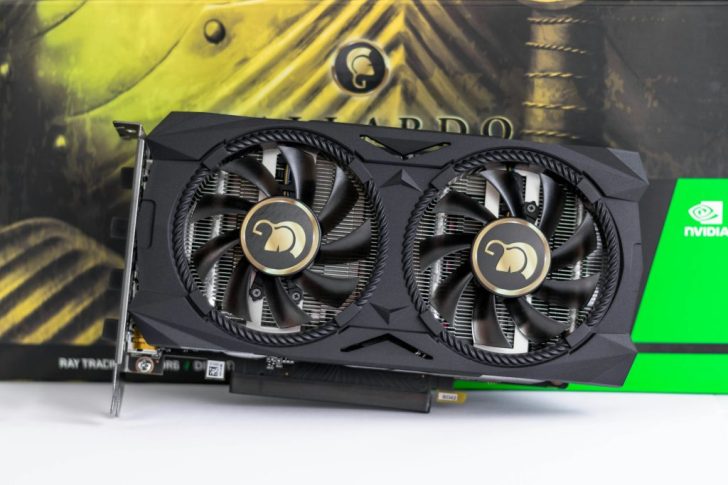
The company now expects around $1 trillion in shipments and purchase commitments tied to its Blackwell and Vera Rubin platforms through 2027.
That figure represents a major jump from the more than $500 billion opportunity Nvidia discussed previously for the 2025 to 2026 period. The updated projection reflects growing demand from cloud providers, enterprises, and governments racing to build advanced AI systems.
Chief Executive Officer Jensen Huang pointed to strong demand for current Blackwell GPUs and rising interest in the next-generation Vera Rubin architecture. The company believes AI infrastructure spending remains in the early stages, creating a runway that could stretch for years.
Wall Street quickly took notice. Several major firms, including Bank of America, Citi, and JPMorgan, maintained bullish views on Nvidia and pointed to the expanded backlog as evidence of exceptional revenue visibility. Analysts at those firms have aligned around a $300 price target, citing strong demand and a multi-year growth path.
Wells Fargo also sees room for estimates to move higher. The firm believes the new outlook could support an additional 15% to 20% upside to revenue forecasts for 2026 and 2027 if deployment trends continue at the current pace.
Even with those favorable projections, investors did not rush to buy the stock. That hesitation highlights how much future growth is already reflected in Nvidia’s valuation.
AI Inference Becomes the Next Growth Engine
A major reason behind Nvidia’s trillion-dollar target is the industry’s shift toward AI inference. Training AI models remains important, but inference is becoming the larger opportunity. This process involves running models and generating responses after training is complete.
At GTC 2026, Huang described inference as the next major turning point for artificial intelligence. He argued that the market is moving beyond building models and toward deploying them at scale across businesses, applications, and consumer products.
Nvidia wants to dominate that phase just as thoroughly as it dominated AI training.
According to Nvidia, Vera Rubin can deliver up to 10 times the inference throughput per watt compared with Blackwell. The company also claims the platform can reduce token generation costs by as much as 90%.
Those improvements matter because AI customers are becoming increasingly focused on efficiency. Running large AI models can be expensive, especially when millions of users interact with applications every day.
Lower costs and faster performance could make Vera Rubin highly attractive to cloud providers and enterprise customers looking to scale AI services profitably. Analysts view the platform as more than just another chip upgrade. Many see it as a strategic move that strengthens Nvidia’s position as a complete AI infrastructure company rather than simply a semiconductor supplier.